IFS Hidden Gem: Document Management for Revision and Release Control
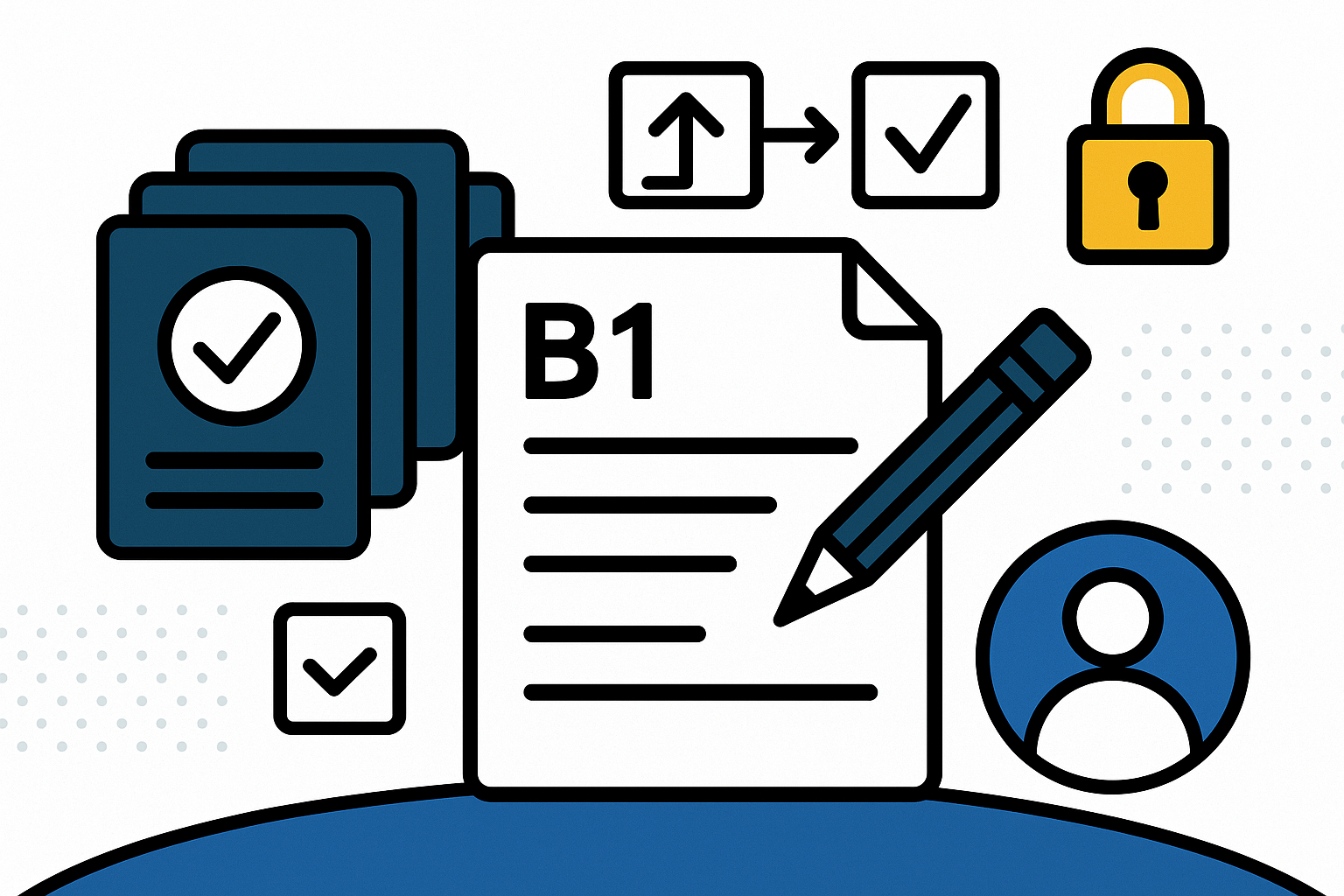
When organizations implement IFS Cloud, one module consistently finds its way into nearly every deployment: Document Management. Its object-oriented design makes it an essential tool for organizing electronic documents and linking them directly to business objects such as invoices, expenses, and customer records. Yet, despite its widespread use, many implementations leave a powerful capability untapped Revision and Release Control.
In this article, we’ll explore the often-overlooked power of IFS Document Management’s revision workflows and how organizations can unlock real operational value by adopting its full feature set.
More Than Just Attachments
IFS Document Management is commonly used to attach key documents to their relevant business transactions. A few common examples include:
- A PDF invoice from a supplier attached to the related supplier invoice record
- A scanned hotel receipt linked to the corresponding expense line
- A signed Statement of Work (SOW) stored alongside the approved project activity and customer record
This linkage between documents and business objects is seamless, providing an organized, centralized repository for all business-critical files.
But the real strength lies in control and context—who can see what, when, and why.
Granular Access Controls for Sensitive Content
IFS Document Management includes robust group- and object-based access control rules. These rules aren’t just cosmetic; they’re essential for maintaining compliance, privacy, and operational efficiency.
For instance, consider an employee expense claim with an attached airline receipt showing their frequent flyer number. That receipt may need to be visible only to the employee and the expense approver—not the broader finance team or HR.
Moreover, the platform can restrict not only the document file itself but also its metadata visibility. Why is this important? Imagine a document titled “Major Incident for Employee 123”—even without opening the file, the metadata alone might disclose sensitive information. IFS allows both document contents and descriptors to be protected based on user role and context.
The Hidden Power: Revision and Release Control
Despite these strengths, many IFS implementations underutilize what might be its most strategic capability: Revision and Release Management.
Document revision control transforms a simple document repository into a governed lifecycle management system. Here’s what this includes:
- Multiple Revisions: Track versions like A1, A2, A3, B1, etc., enabling full traceability of document changes over time.
- Lifecycle Statuses: Manage documents through states like Preliminary, Released, and Obsolete.
- Approval Routings: Route documents for internal or external review using predefined Approval Templates.
- Revision-Specific Visibility: Ensure, for example, that only the document author can see a Preliminary version, while the rest of the organization accesses only the final Released version.
- Automatic Access Inheritance: As new versions are released, access controls follow automatically—ensuring users always interact with the most up-to-date document without manual intervention.
- Document Templates: Create new documents based on the most current released version of a template, standardizing formats across teams and reducing duplication.
This level of control is particularly valuable in industries with regulatory requirements, such as aerospace, energy, manufacturing, and defense—where managing the lifecycle of engineering specs, quality records, safety manuals, and compliance documents is non-negotiable.
Why Aren’t More Companies Using It?
Often, the answer is simple: awareness and training. Document Management is perceived as an administrative feature rather than a strategic one. Implementation teams may focus on the “need to have” attachment capabilities and overlook the broader potential of revision control, either due to time constraints or unfamiliarity with best practices.
However, for companies managing hundreds (or thousands) of documents across business units, introducing formal revision control processes can significantly reduce errors, compliance risks, and outdated file usage.
Unlocking the Full Value with JumpModel
At JumpModel, we specialize in uncovering these “hidden gems” within IFS Cloud. Our consulting teams help clients not only implement Document Management correctly but leverage it strategically.
We offer hands-on configuration support, user training, and process alignment to make Revision and Release Control an integral part of your document lifecycle. Whether you’re managing technical drawings, legal documents, operational templates, or product specs, our approach ensures the right people see the right documents at the right time.
Final Thought: What’s Your Document Lifecycle Strategy?
If your current document handling is limited to basic uploads and attachments, it’s time to rethink the role of Document Management in your IFS environment.
With Revision and Release Control, you gain:
- Complete auditability of changes
- Improved regulatory compliance
- Streamlined collaboration
- Enhanced information security
- And a truly scalable approach to document governance
Let’s help you turn your document repository into a powerful strategic asset.
Reach out to JumpModel to explore how to activate Revision and Release Control in your IFS instance.