IFS CRM Can Power Sales Teams (and Unlock Far More Value)

Why This Question Matters
When leadership teams evaluate CRM systems, the conversation is rarely about “features.” It is about outcomes:
- How do we equip sales with better visibility?
- How do we avoid fragmented systems?
- How do we translate customer data into revenue growth?
IFS CRM offers a compelling answer. Yes, it provides core CRM functionality for sales teams. But its real strength lies in how it is embedded within the wider IFS Cloud platform, connecting sales, service, finance, and operations into a single source of truth.
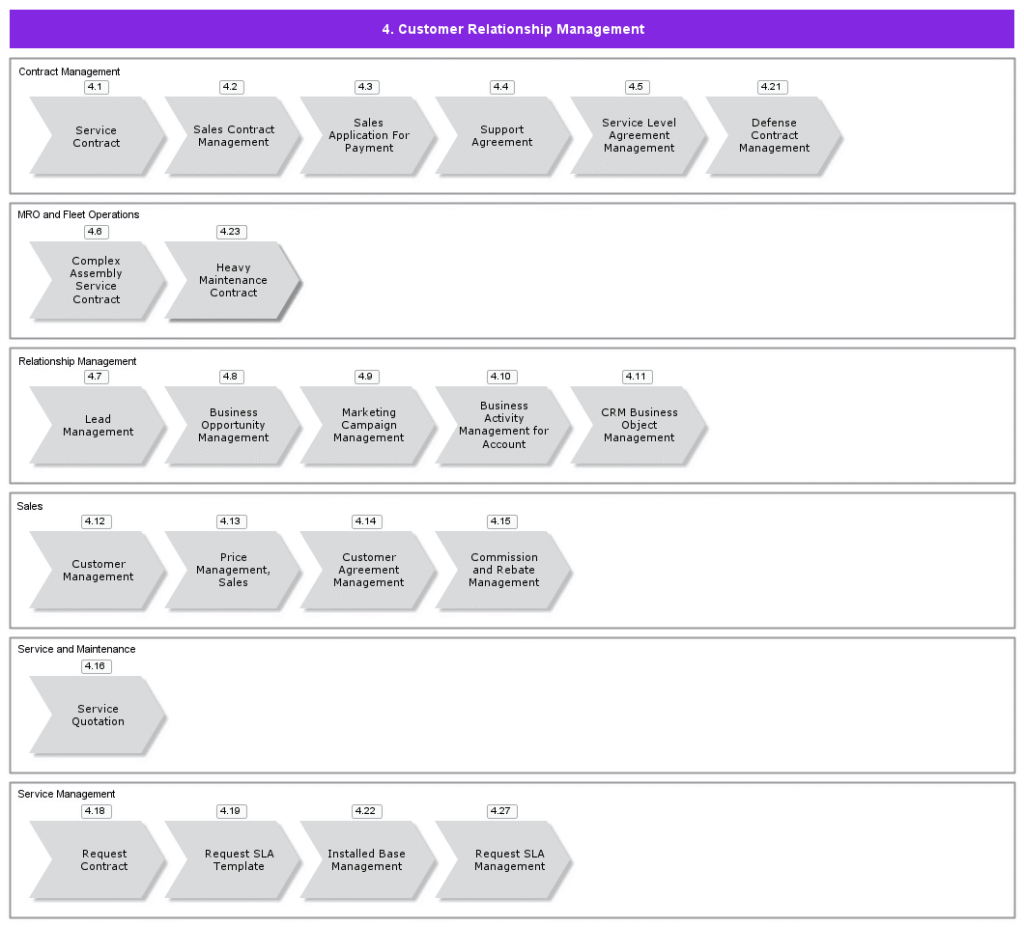
Image above shows the end to end crm scope
Beyond CRM Features — Enabling Sales Effectiveness
For sales leaders, the question is not whether IFS can capture leads or create opportunities. It’s whether IFS CRM helps drive sustainable growth and productivity. Let’s look at how it does this.
Lead Management → Converting Market Interest into Qualified Pipeline
Sales organizations waste enormous energy chasing unqualified or duplicated leads. IFS Lead Management ensures every lead is captured, de-duplicated, and routed correctly. The result: fewer missed opportunities, higher rep productivity, and cleaner data for marketing ROI.
Opportunity Management → Forecasting Revenue with Confidence
Pipeline visibility is often a CEO level concern. IFS Opportunity Management provides a structured view of opportunities by stage, value, and probability. This equips leaders not just with a forecast, but with the confidence to allocate resources, manage investor expectations, and course-correct early.
Quoting and Contracts → Speed Meets Accuracy
In most organizations, the sales to contract handoff is where deals stall. IFS CRM integrates pricing, quoting, and contract management in a way that eliminates re-keying and reduces delays. For the business, this means faster time to cash and greater accuracy in revenue recognition.
Customer & Agreement Management → Building Long-Term Relationships
The real differentiator: IFS doesn’t treat “CRM” as a stand-alone silo. Every customer record is enriched with contract terms, installed base, service history, and agreement details. For account managers, this means conversations are better informed, upsell opportunities are clearer, and customer satisfaction increases.
Campaigns & Activities → Driving Demand in Lockstep with Sales
Sales effectiveness is magnified when marketing and sales are connected. IFS Campaign Management links campaign activity directly to leads and opportunities, enabling ROI measurement and alignment across functions.
The Business Value of Integration
This is where IFS CRM breaks away from standalone tools:
- Single source of truth: One dataset for pricing, customers, service history — eliminating costly reconciliation.
- Operational agility: Sales knows if service has unresolved issues before renewing a contract. Finance sees quote data before invoicing.
- Faster cycles: Quotes become contracts without manual intervention. Forecasts flow directly into operational planning.
- Customer intimacy: Every interaction, from marketing campaigns to service tickets, informs the sales conversation.
What Leaders Should Consider Before Implementation
In practice, unlocking this value requires deliberate choices:
- Data discipline: Clean, structured data before migration.
- Change management: Sales adoption is critical; training must focus on business value, not just system mechanics.
- Analytics design: Decide what questions leadership needs answered, then configure dashboards accordingly.
- Integration governance: Ensure CRM processes align with service, finance, and operations to avoid silos re-emerging.
Conclusion
So, can IFS CRM be used for sales teams? Absolutely. But the more strategic insight is this: IFS CRM enables sales to operate as part of a connected enterprise, not a disconnected function.
The payoff is not just pipeline management, but faster cycles, more accurate forecasts, and stronger customer relationships. For organizations already invested in IFS, the business case for adopting CRM is less about “why” and more about “why not now.”